Cursor is moving beyond the code editor and into GitHub’s territory.
The company has begun rolling out Origin, a Git hosting service for paying customers. It can store repositories, handle ordinary Git commands, browse and search code, manage pull requests, and give Cursor’s agents direct access to the same system.
But Origin’s most important feature is not replacing GitHub. It is making the first move away from GitHub feel reversible.

A bridge, not a clean break
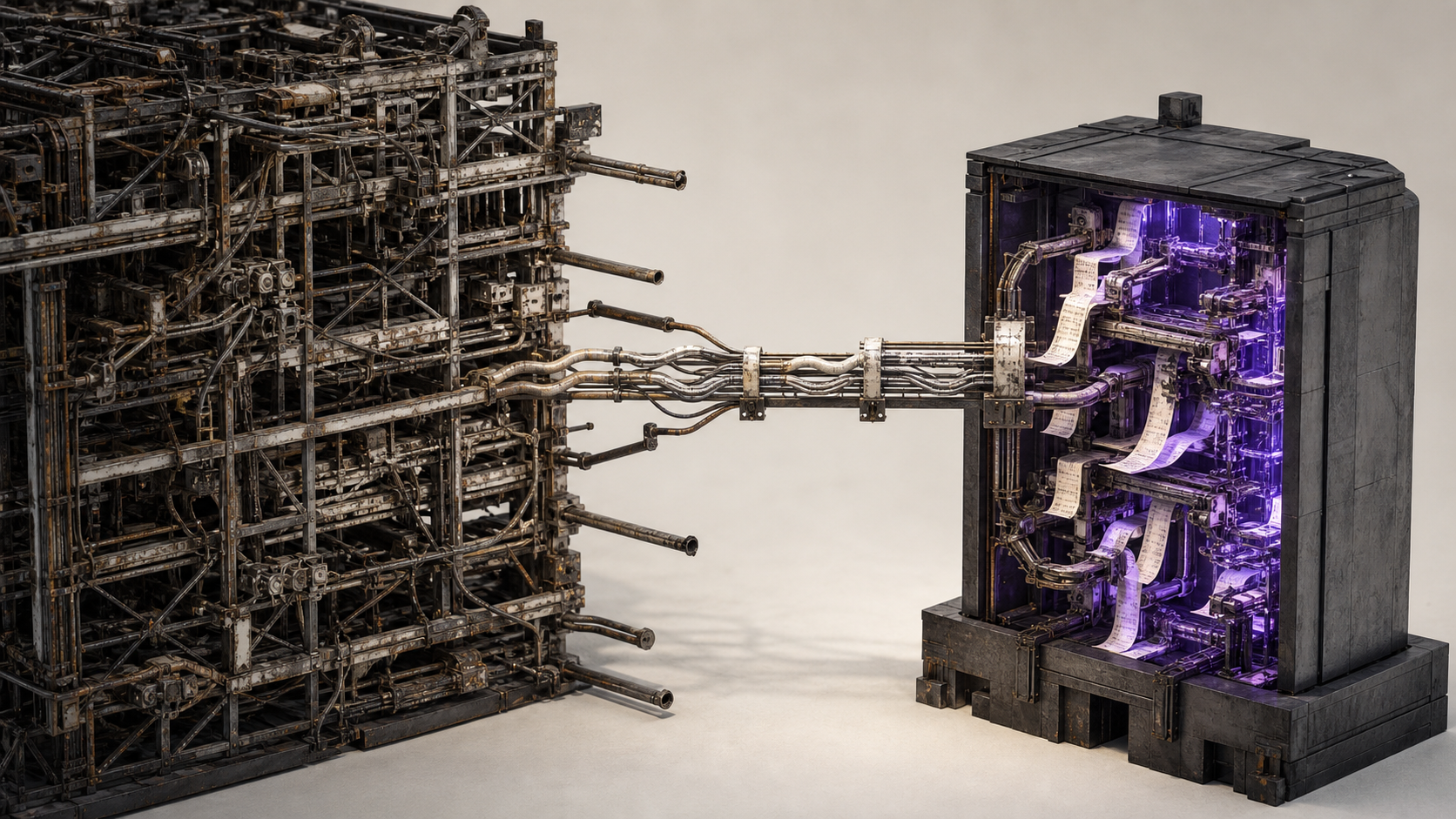
Teams can mirror an existing GitHub repository into Origin, then browse the code, clone Cursor’s copy and manage pull requests from inside Cursor. GitHub remains the source of truth: pushes pass through to it, and pull-request activity synchronizes in both directions.
That creates a low-risk path for teams curious about an agent-centered workflow but unwilling to migrate their entire development operation. If they later detach the mirror, the Origin copy becomes an independent repository while the original GitHub repository remains unchanged.
The mirror is deliberately incomplete. It brings over Git history, branches, tags, code and pull requests, but not GitHub Issues, Actions workflows or secrets. Cursor is filling part of that gap through integrations with Vercel, Depot and Buildkite, but Origin is not yet a substitute for GitHub’s broader platform.

Origin, our code hosting platform, is now live. It's fast, easy to use, and deeply integrated with Cursor. Get started by syncing your repos from GitHub.
Cursor wants to own the review loop
Origin changes what Cursor is. Until now, its center of gravity was writing code with AI. A native repository and pull-request layer gives it control over what happens next: agents can clone a repository, create a branch, commit changes, push them and open a pull request. Automations can respond to new pushes and pull-request events.
That direction follows Cursor’s acquisition of code-review company Graphite in December. Graphite co-founder Merrill Lutsky described the underlying shift plainly: “Previously, we were limited by how quickly we could write code, but now the bottleneck is how quickly we can review it.”
Origin is an attempt to put both sides of that bottleneck inside one product. The pitch is not merely that an agent can produce code, but that humans and agents can create, inspect and merge changes within the same environment.
That does not make “agent-native” an exclusive Cursor capability. GitHub already allows Copilot and supported third-party agents to take tasks, push branches and create pull requests. GitLab is also embedding agents and automated workflows across its development platform. Origin’s real distinction is tighter vertical integration: Cursor controls the editor, its agents, the code host and the review surface.
GitHub is still the center of gravity
The launch happened during a prolonged GitHub incident that disrupted pull requests, Actions, Git operations, authentication and other services. At points, GitHub reported error rates of about 20% across its web and API experiences and roughly 50% for archive and raw-content downloads. The incident lasted from 13:40 to 21:15 UTC.
There is no evidence Cursor timed Origin’s release around the outage. Still, the coincidence made the cost of depending on one dominant forge unusually visible. GitHub itself has said accelerating agent activity is driving sharp growth in repositories, pull requests, API traffic and automation, forcing it to plan for 30 times its current scale.
Origin remains a small challenger beside an incumbent that reports more than 180 million developers and 420 million repositories. Cursor has not shown equivalents for GitHub’s full issue tracking, package, governance and security systems, and more Origin features are still promised rather than delivered.
For now, the credible threat is narrower than “Cursor replaces GitHub.” Origin lets Cursor capture more of the daily development loop while GitHub continues underneath. If that experience proves better, the mirror that reduced the risk of trying Origin could eventually become the path out.